The Anthropic Claude Max class action lawsuit claims the company’s premium subscription tiers don’t deliver the usage multipliers they advertise. A Claude pricing complaint filed in federal court argues that certain subscribers hit rate limits far sooner than promised. And there’s no usage dashboard to verify anything. If you care about AI pricing transparency, this case could reshape how consumer protection AI rules apply to the entire industry.
Here’s a breakdown of AI subscription pricing models and why this lawsuit matters.
TL;DR
– Karl Kahn v. Anthropic is a federal class-action in the Northern District of California claiming the premium plans massively underdeliver on promised capacity.
– Zero usage tracking exists for subscribers. No meter, no counter, no progress bar. You can’t audit what you paid for.
– The suit demands restitution plus a court-ordered injunction that could force Anthropic to fix marketing or build an actual usage tracker.
– Class would cover every U.S. subscriber who purchased either premium plan since early 2025.
What Claude Max Subscribers Should Know
Karl Kahn lives in D.C.
Pays for a premium subscription. Started noticing he’d slam into rate limits after what felt like a fraction of what the marketing suggested relative to the Pro baseline. So he did what any reasonable person does when a premium tool doesn’t match its marketing.
He called a lawyer.
The complaint landed in the U.S. District Court for the Northern District of California. It uses this phrase about delivered capacity: “far below the advertised amount of usage.” Six words. The kind that make corporate lawyers go quiet in meetings.
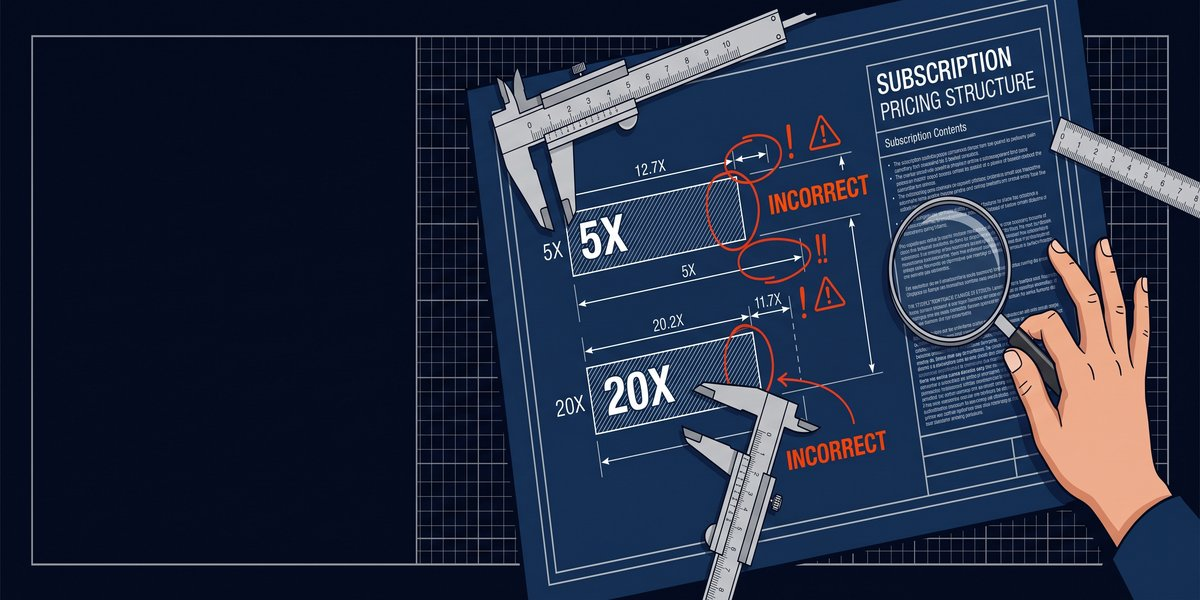
Anthropic runs two premium tiers. One costs a premium monthly fee and supposedly delivers five times the Pro plan’s capacity. The other runs at a higher premium, pitched as twenty times that baseline. Kahn’s filing says neither tier comes close. Subscribers chew through their allowances quicker than the multipliers suggest. And here’s the part that really gets me.
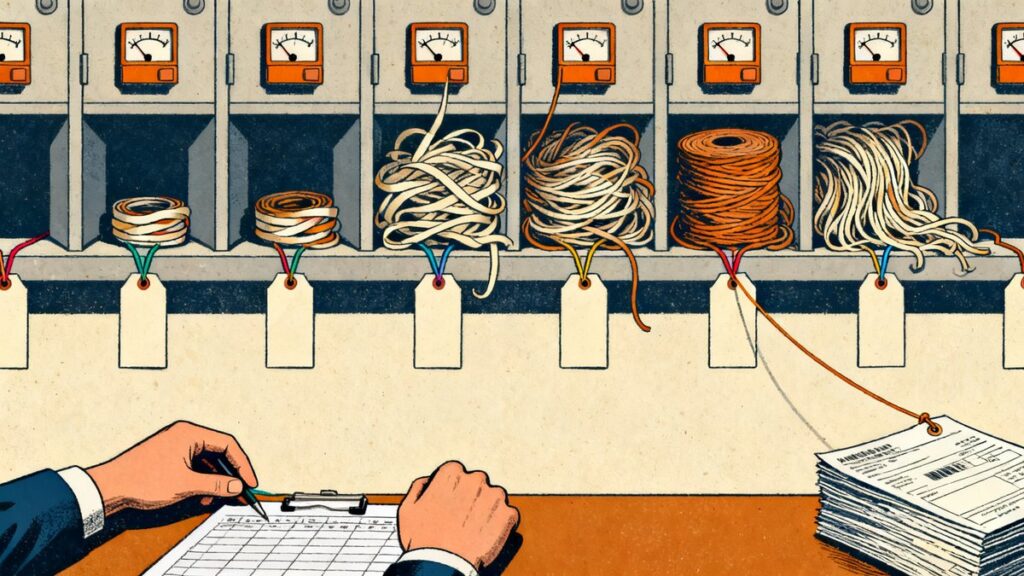
There’s no dashboard. No counter.
No way to see where your allowance stands.
You’re paying premium money. You hit a wall eventually. Maybe you get a vague message about rate limits. Then you sit around or you upgrade.
That’s the experience.
How the Claude Pricing Complaint Unpacks
Quick numbers.
Pro plan is a monthly fee.
That’s the floor. One premium plan is marketed at five times Pro. The other is a higher premium, supposedly twenty times Pro. Clean multiplication on the pricing page. Messy reality in practice.
Kahn’s complaint says he burned through his allowance at a clip that didn’t reflect anything close to a twentyfold increase over the base plan. The filing is specific.
Not “somewhat below.” Not “in the neighborhood.” Far below.
Tbh, anyone who’s ever budgeted for SaaS tools knows this exact frustration.
You build a cost model from the pricing page. Then actual usage blows through your projections because the fine print is fuzzier than the headline. Except normally you can at least log into a dashboard and trace where things went sideways. AWS shows you every cent. Stripe breaks down per-transaction fees. Even your phone carrier itemizes data usage.
Claude? Nothing.
I spent some time one afternoon hunting for any usage breakdown in my own account. Checked settings. Checked billing. Checked the API section just in case. Nope. Just absent.
The class definition covers anyone in the U.S. who subscribed to either premium plan since early 2025.
That date matters. If you’ve been paying for a premium plan since then, this complaint is talking about you.
Why AI Pricing Transparency Matters Now
This lawsuit isn’t actually about specific monthly fees. It’s about a pattern across the entire AI subscription market.
OpenAI, Google, Anthropic. They all sell access through fuzzy capacity tiers. “Tokens.” “Dynamic rate limits.” “Usage windows that adjust.” None of it translates to “here’s exactly what you get per dollar.” The pricing pages sound concrete until you try to hold them to a number.
Then everything turns into vibes.
Kahn’s filing yanks that vagueness into federal court.
It seeks restitution — actual refunds. Plus an injunction that could compel Anthropic to either correct its marketing language or ship a real usage tracking tool for subscribers. Class certification hasn’t happened yet. Could take months. But the allegations are public, detailed. And echoing across Reddit threads and Discord servers where premium subscribers have complained since launch.
Honestly, consumer protection AI enforcement was always going to catch up to someone. The question was which company would be first.
Looks like Anthropic drew the short straw.
Audit Your AI Subscription Stack
Here’s my actual advice. Don’t wait for a court order to get your house in order.
Go pull your last three months of AI subscription receipts. All of them.
Then answer one question: can you point to specific output or usage data that justified the tier you paid for?
If you can’t.
And without a dashboard, most people genuinely can’t — you’re making purchasing decisions in the dark. That’s the core issue this lawsuit surfaces. Not that Anthropic is malicious. Not that premium plans are worthless. But you can’t evaluate a product you can’t measure.
Hold off on annual commitments, too. The AI pricing environment is volatile. Every few weeks brings new tiers, new limits, new competitors. A consumer protection lawsuit like this adds pressure on all the major players to clarify what subscribers actually receive. Signing a long-term contract right now at today’s rates and today’s vague terms? That’s a bet I wouldn’t take.
If you subscribed to a premium plan after early 2025, track this case. Restitution is on the table. An injunction is on the table. Neither is guaranteed — class certification is never automatic. But the legal momentum is real, and the community frustration backing it is loud.
Consumer protection rules weren’t written with a carve-out for AI companies. You paid for a service sold in numeric terms. You’re entitled to a numeric accounting. That shouldn’t be controversial. It’s just basic commerce.