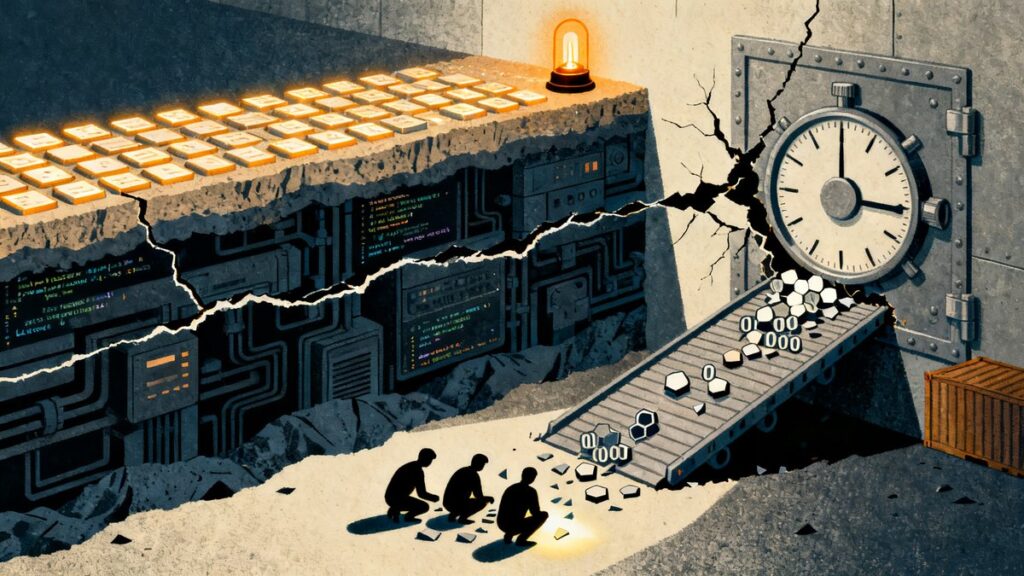
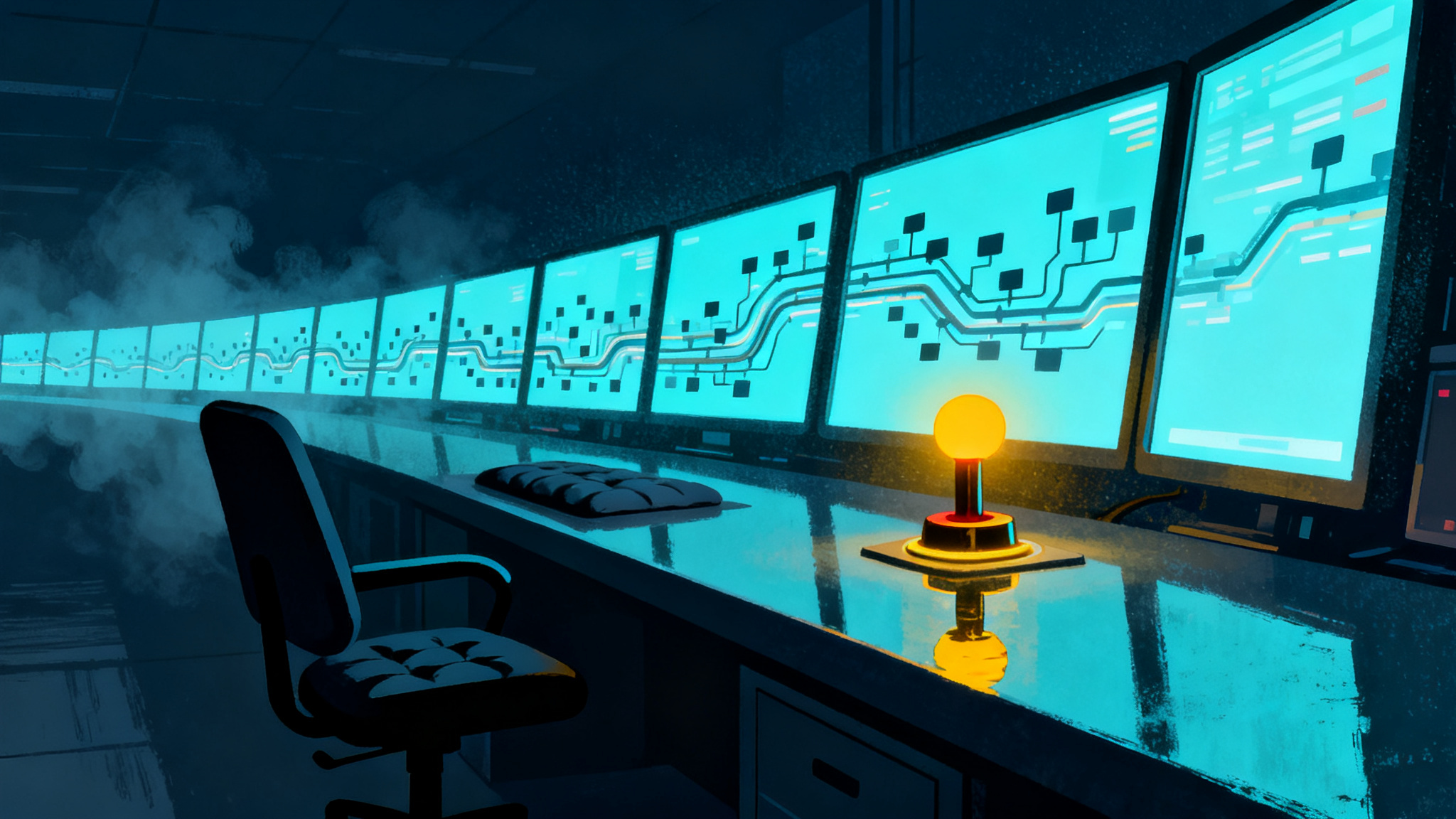
So the approval click is gone, and Claude Code auto mode is the thing that ate it.
Anthropic made that official in a blog post dated August 7, 2026, titled “Auto mode is now the default in Claude Code for Pro, Max, and Team plans”.
And from August 14, 2026, new sessions on those paid developer tiers run agent actions without pausing for you on each consequential step.
A classifier decides what clears and what stops.
The capability did not improve overnight.
The default moved.
That distinction is the whole story. It explains why one settings change irritates developers more than a dozen model releases: this is not about what the agent can do, it is about who holds the kill switch inside your own terminal. Below is what actually changed, why the official “your approval was the risk” pitch deserves a skeptical read, an audit to run before your next session. And straight answers to the questions people keep asking.
How Claude Code Auto Mode Works Now
The old model behaved like a careful junior developer with a hand permanently raised. Before running anything consequential, it stopped and asked. You clicked approve. It proceeded.
Plenty of people picked this tool precisely because it asked first.
Auto mode removes that gate as the default. Every tool call now routes through a classifier built to block anything irreversible, destructive, or aimed outside your environment. When it blocks, Claude usually finds a safer path or comes back to ask you. The screening runs in two stages. A fast first filter, then a slower, more deliberate pass only when the first stage flags an action. With an input-layer probe watching for prompt injection.
If you had already chosen a different permission mode, a one-time prompt asks whether you want to switch. Enterprise, API, and the partner clouds — Amazon Bedrock, Google Cloud, Microsoft Foundry. Stay opt-in while administrators review the change.
Which leaves the word worth fixating on: default. Nothing about the underlying model got safer between the 13th and the 14th of August.
What changed is whose consent gets assumed.
A default is the strongest product decision any vendor makes, since it is a choice made on behalf of everyone who never opens settings.
Most people never open settings.
Claude Code Auto Mode: The Official Pitch
The argument inverts the trust model.
A human clicking approve all day is not oversight, the reasoning goes. It is a rubber stamp that breathes. And Anthropic brought numbers, which is more than most vendors do. In a controlled study with 1,053 paid testers, manual human review caught 13.6% of the dangerous commands. Auto mode caught 89%. On top of that, The Decoder’s coverage reports teams using auto mode opened about 25% more pull requests. And Anthropic stopped charging Pro, Max, and Team users for the extra tokens the classifier itself consumes.
Do you actually read those permission prompts anymore?
No. Nobody runs an agent for a full afternoon and keeps reading. Ask often enough and the click becomes reflex, at which point the gate exists in name only. That half of the pitch is correct, and anyone claiming otherwise is selling something.
Here is where it bends. Railroads hit this problem decades ago and solved it without firing the driver: the deadman’s switch. Attention fails, the train brakes anyway. At no point did anyone conclude that the fix was removing the driver and letting the switch drive the train. If humans rubber-stamp, the honest fix is better-designed friction. Fewer approvals, grouped by stakes, so each one is worth reading. Not zero approvals behind a screen you cannot inspect. And when a vendor’s safety story points in the same direction as its usage numbers, longer autonomous sessions meaning more tokens and more pull requests, treat the safety story as a hypothesis rather than a conclusion.
Notice, too, which failure mode the vendor prefers to own. Over-caution produces annoyed users who complain loudly and daily. Unchecked autonomy produces rare, spectacular incidents that mostly get blamed on whoever “misconfigured” the agent. One of those generates support tickets.
The other generates screenshots of deleted directories.
Audit Before The Next Unsupervised Run
Quitting agentic coding over a default would be an overreaction, and I am not suggesting it.
Autonomy genuinely pays off when the blast radius is small and the credentials are scoped. The position that survives contact with reality: autonomy is something you grant per-environment after scoping, not something you inherit given that a plan tier flipped.
So, before the next session. Read exactly what auto mode permits on your plan, then decide on purpose whether to opt out, as an unexamined default is still a decision. One you made by doing nothing. Strip ambient credentials from the environment; no coding agent needs your cloud provider’s master keys to refactor a component. So issue scoped, short-lived tokens instead. Run it inside a container or a virtual machine. So the blast radius of a wrong command is a directory rather than the laptop. Give the agent its own git identity and its own deploy credentials. So you can audit what it touched and revoke its access without cutting your own. And log every autonomous action somewhere you will actually read, since autonomy without an audit trail is just deniability with extra steps.
An afternoon. None of it sophisticated.
Claude Code Auto Mode: Quick Answers
Can I turn Claude Code auto mode off?
Yes. Anyone who had already selected a other permission mode gets a one-time prompt asking whether to switch. Decline it and nothing changes.
Auto mode also still stops for a human when something needs escalated privileges, deleting a GitHub branch being the documented example.
Which plans are affected?
Pro, Max, and Team, starting August 14, 2026, for new sessions.
Enterprise, API, Amazon Bedrock, Google Cloud, and Microsoft Foundry remain opt-in while their administrators review.
Is a classifier really safer than approval prompts?
On Anthropic’s own testing.
Internal and third-party red-teaming, prompt-injection evaluations, the 1,053-tester controlled study. And real production sessions — auto mode matched or beat manual review, 89% versus 13.6% on dangerous commands. Anthropic still recommends human review for high-stakes production infrastructure, and describes auto mode as reducing risk without eliminating it. Both halves of that sentence come from them, not from me.
Does auto mode cost extra?
No. Anthropic has stopped charging Pro, Max, and Team users for the additional tokens the classifier consumes per tool call.
Should You Keep Claude Code Auto Mode On?
Permission models drift, and they drift in the direction that makes the product feel faster. Anthropic looked at the human sitting there clicking approve and named that person the weak link. Some days that is even true.
The operator’s job is to make that call per project, per client, per environment, with eyes open — not to have it made for you by a tier assignment.
Two populations got handed this.
Veterans chose Claude Code partly since it asked first, and their entire mental model is built around the gate. Newcomers never built the approval habit at all. So their first experience of an AI coding agent is one that acts on its own — which quietly sets their baseline for what counts as normal across every tool they will adopt for the next decade. That baseline shift is what actually worries me. It compounds. For a solo operator or a two-person shop, where you are the security department, the compliance review. And the on-call engineer, usually before coffee, a vendor default becomes your security policy whether or not you chose it. Anthropic made a call about your risk tolerance without asking you.
Which is exactly the behavior it taught its agent to skip.
So do one thing before your next agent run: open the settings and read what your plan now permits. Then either scope the environment or put the gate back on. If you want a second pair of eyes on agent permissions and sandboxing for your shop, that is what my agency does every week. Reply here or book a call.
That one approval is worth clicking yourself.
Sources
– Anthropic, “Auto mode is now the default in Claude Code for Pro, Max, and Team plans,” claude.com/blog/auto-mode-default-in-claude-code, August 7, 2026
– The Decoder, “Anthropic sets Claude Code to Auto Mode by default to protect developers from bad approvals”
– Channel Insider, “Anthropic Makes Claude Code Auto Mode the Default for Paid Users,” August 10, 2026