Anthropic announced Claude Ship on November 23, 2026. And the word doing the heavy lifting is the last one: approve. Claude Ship is a beta release for Claude Team and Enterprise plans that automates GitHub pull-request work from review through fixes to approval. Anthropic’s product page states it flatly: “Claude can now review pull requests, handle fixes. And apply your team’s approval policy.” It runs as three agents on GitHub-hosted repositories. And a `/ship` command in Claude Code handles the commit, push, and PR opening. You can configure the whole thing to act the moment a pull request opens. So the announcement covers the full lifecycle, not just the review step.
Three Agents, One Pipeline
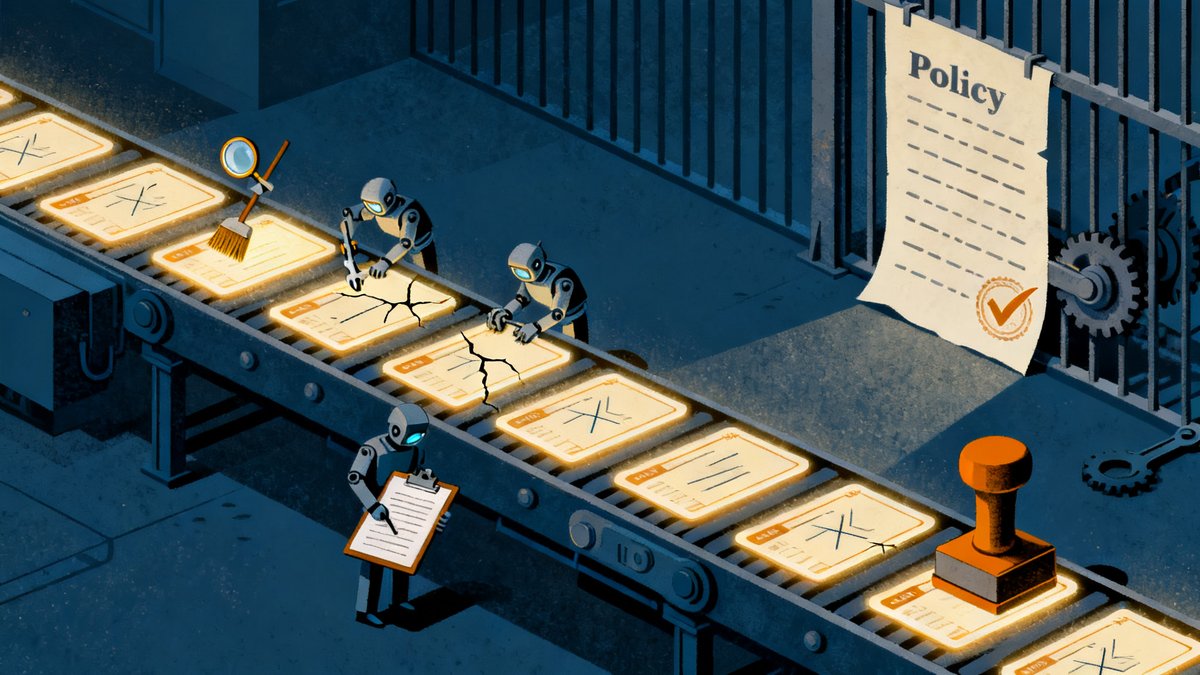
The Claude Ship docs call it “a set of agents that help get your team’s GitHub pull requests ready to merge,” and the division of labor is clean:
– Code Review “looks for issues such as logic errors, security vulnerabilities, and broken edge cases.”
– PR Steward “works on review feedback and failing checks.”
– Claude Approvals “checks pull requests against an approval policy that you write.”
Review bots existed before this, and fix-bots existed before this.
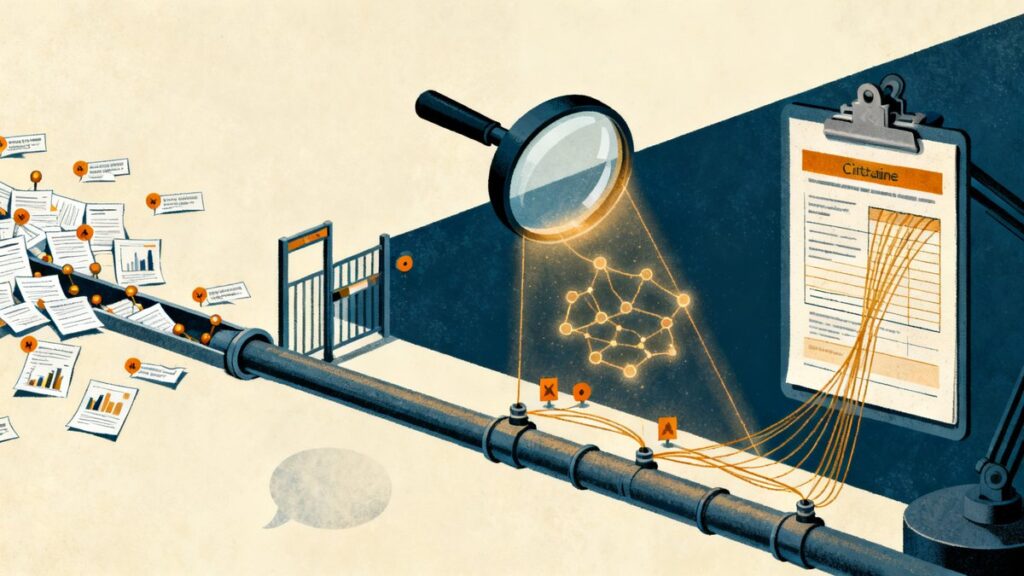
What’s new is the handoff between them: “Together, they can take a pull request through review, fixes. And an approval decision. So your team doesn’t have to manage each step manually.” The unit of automation stops being a single task and becomes the pull request’s entire life.
The developer on-ramp is `/ship`.
The command docs describe it plainly: “/ship is a Claude Code command that opens a GitHub pull request for your change if your branch doesn’t have one.” It can “commit your work, push your branch. And open the pull request as you,” then, per the same docs, you “get a review.
And have Claude work on feedback and failing checks.” If the PR is already open and you only want the repair work, `/steward` skips the review and goes straight to the fixes.
The Policy File Is The Real Product
The detail that decides whether this is a toy or infrastructure sits in the docs.
A Claude Approvals policy lives in a file, `.claude/approvals.yml`.
And that file “changes which pull requests Code Review reviews automatically.” Two things follow. And both matter more than any of the three agents.
First, your review rules become code.
The policy is diffable, reviewable, and revertable like any other file in the repository.
When Anthropic swaps the model underneath, the policy survives the upgrade. Second, the policy is the blast-radius control. A wide policy puts more pull requests into the automated lane; a narrow one keeps humans in it. That’s a governance decision made in YAML inside the repo, not in a settings screen nobody audits.
My take: the agents are rented, the policy is owned. I automate everything I can in my own pipelines. And approval is the step I hand over last, so I’d treat `.claude/approvals.yml` like production config. Pull-request it, review it, and never edit it directly on main. Anthropic’s copy makes the stakes explicit, saying the agents “review PRs, work on fixes. And approve the ones that your team’s policy allows, whether a person or a coding agent wrote the code.”
What Breaks When Claude Reviews Claude
Read that last clause again: the approver does not care who wrote the code. One vendor’s model stack can sit on both sides of review, writing the change, reviewing the change, fixing the change, and approving the change.
That’s the setup nobody in the launch coverage wants to analyze, and it’s the first thing I’d stress-test.
I don’t think the model is the weak point.
The weak point is a lazy policy. If `.claude/approvals.yml` greenlights everything, you’ve built an auto-merge pipeline with extra steps. If the policy starts narrow and expands only after you’ve watched Code Review run on real pull requests, you get something defensible.
A missed bug in review is recoverable; an approved merge of agent-written code that no human ever read is a rollback problem and an accountability problem at the same time.
There’s also an input-trust issue that costs nothing to prepare for. A pull request body is text, and text is an input to an agent that acts on your repository. Treat PR contents the way you’d treat a web form: untrusted until proven otherwise. A tight policy file is the enforcement point for exactly that instinct.
What To Do About It This Week
For small teams this lands differently than for enterprises.
A two-person shop has no reviewer bench, and the review queue is usually the real bottleneck, not code-writing speed. Claude Ship is built for that bottleneck. The catch is access: the announcement covers Claude Team and Enterprise plans. So if you’re a solo operator on an individual plan, there’s no switch to flip today.
If you’re on a Team plan, pilot it on one repository, not the whole enterprise. Write the policy before you enable anything. And require a human for changes that touch authentication, payments, or data deletion. Expand the automated lane only after you’ve watched it run against your actual code. Because the failure you’re guarding against is a bad approval, not a bad comment.
If you’re solo, do the part that costs nothing: write your review policy anyway.
Plain text, version controlled, one page. The rules you’d want a human reviewer to enforce are precisely what `.claude/approvals.yml` consumes. And having them written down doubles as documentation for anyone who joins later.
Start that file today.
Name what requires a human, name what doesn’t, and commit it. When automated approval reaches your plan, you’ll be configuring it instead of discovering it.