Version note: this write-up tracks the current build. The one with the 7-phase generator and the pip-installable CLI-Hub.
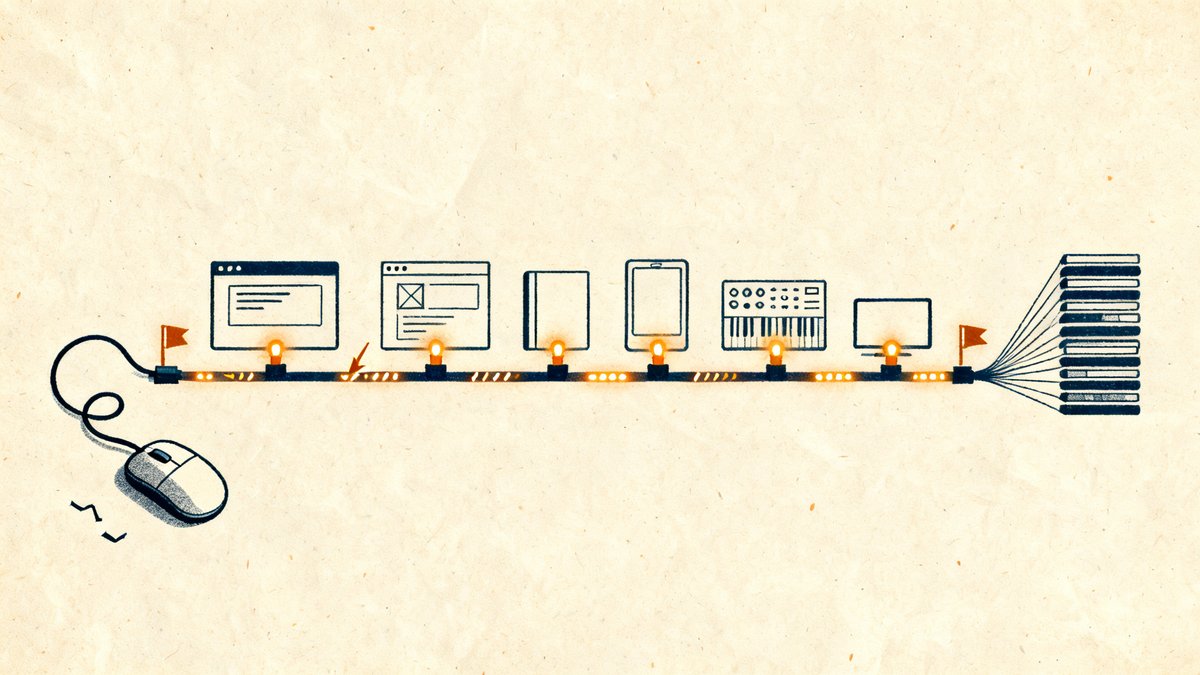
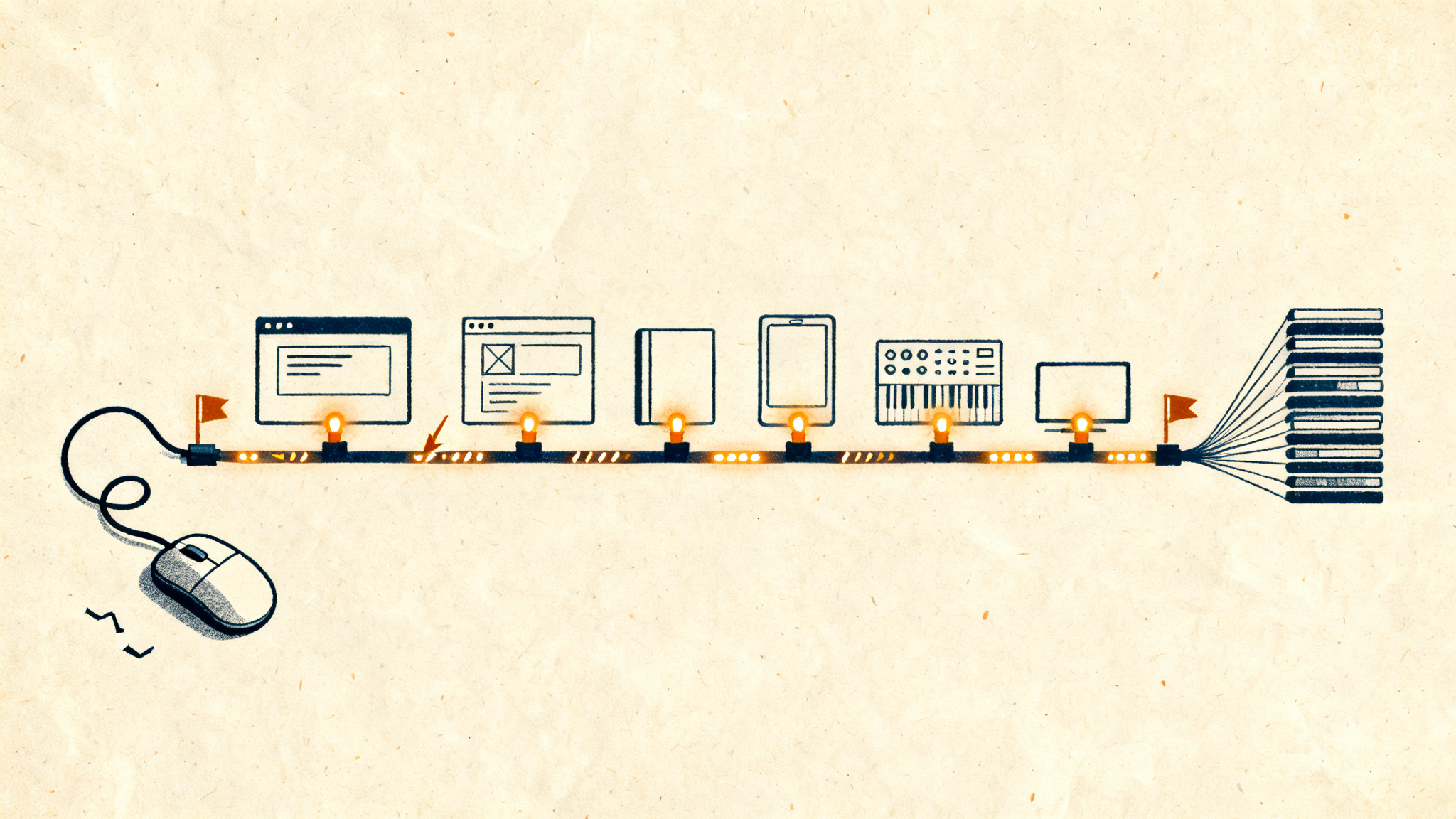
CLI-Anything is a bet that one command line beats a mouse, and it’s a better bet than it sounds.
The project calls itself “Making ALL Software Agent-Native,” with the stated goal of “Bridging the Gap Between AI Agents and the World’s Software.” The mechanism underneath the tagline is blunt: turn software into CLI tools that agents can drive in a structured way.
It ships as a Claude Code plugin marketplace hosted on GitHub, it targets OpenClaw, nanobot, Cursor. And Claude Code, and it brings a community registry (CLI-Hub) plus a generator path for codebases that have no CLI at all.
If you’re running automations for a living, the project itself isn’t the story.
The story is that the interface layer between agents and ordinary software is finally being treated like the engineering problem it always was.
How CLI-Anything Works
Start with why a command line beats a mouse.
A discussion on r/agenticengineering frames the payoff better than any project page: agents “can call commands, get clean outputs, keep state and run repeatable workflows without fumbling through GUIs.”
Three of those clauses carry the real weight.
Clean output. When an agent drives a GUI, it’s reading a picture and guessing which pixels are buttons. When it calls a command, it gets text back and parses it on the first attempt. That gap compounds across a hundred steps. Which is precisely the length where GUI automations die in practice.
State, the underrated one. The tools keep state, so a workflow doesn’t restart from zero every time a step finishes.
Repeatability. That’s what separates a pipeline from a demo, and demos are still most of what agent content is.
Then there’s the repo itself. The main repository pitches the whole idea as “One Command Line: Make any software agent-ready for OpenClaw, nanobot, Cursor, Claude Code, etc.” Two paths sit under that pitch. First, CLI-Hub. A related repo describes it as a way to “browse, install and manage all community-built CLIs,” and you get it with `pip install cli-anything-hub`, then `cli-hub install
Second, generation. Another repository claims to “transform any open-source project into agent-controllable tools through automatic CLI generation,” and describes “One Claude plugin [that] auto-generates CLIs for ANY codebase through proven 7-phase pipeline.” Seven phases. Not five, not a tidy ten. Seven. Those are the repo’s words, not my findings. And the same repo also promises “universal access” where “every software becomes instantly agent-controllable.”
I treat that stretch as marketing until a generated CLI survives contact with a weird, half-documented codebase. The honest framing: agents get to control applications without APIs, GUI navigation, rebuilding, or complex wrappers. That’s a genuine claim about the approach, and a seven-phase generator does exist to produce those wrappers. Whether the output is any good depends on your codebase, and no blog post can answer that for you.
CLI-Anything CLI-Hub Registry
Before you generate anything, check what’s already built. Registry first, generator second. That order saves you a bad afternoon.
The related repo’s example list includes:
– VSCodium
– WordPress
– Calibre
– Zotero
– Joplin
– Logseq
– Penpot
– Super Productivity
The Reddit thread adds Blender, GIMP, LibreOffice, OBS. And Kdenlive to the set of desktop software people want to automate this way.
Read those names as a small operator and notice what’s missing: no API-first SaaS favorites, just ordinary desktop and self-hosted software.
WordPress is the one that jumps out, because a huge share of lean businesses run self-hosted WordPress.
The discussion explicitly calls out “making local and self hosted tools more usable inside agent systems without building custom APIs from scratch.” That sentence is the entire value proposition if you don’t have a developer budget.
You stop pricing out an API layer for tools you already own and start typing two commands instead.
CLI-Anything Risks and Limitations
The same thread says this approach means “turning messy manual workflows into scripted pipelines agents can run, retry and test.” Run, retry, and test.
Those three words should sell you, since they describe failure you can survive. A GUI automation breaks silently and you find out from a customer. A pipeline you can retry and test breaks loudly, on a schedule you control, before it matters.
The use cases map almost one-to-one onto small-operator reality: “editing files, rendering media, generating documents and running production tasks.” A content pipeline.
An invoice run.
A weekly export.
Now the skepticism, given that it’s earned.
A generated CLI is code, and code you didn’t write is code you now review and maintain. Point it at something low-stakes first, not production. And a tool that keeps state is a tool holding context — worth understanding before you hand it credentials and real data.
One more line from the thread deserves more attention than it gets: “creating better benchmarks and evals for real software use instead of toy agent demos.” If agents ever earn real trust, it’ll be as evals started measuring actual software use, not since another model shipped.
CLI-Anything FAQ: Free, Tools, API
Is CLI-Anything free? The repos I reviewed are public on GitHub and installs run through pip. And I can’t find a price anywhere in what I’ve read. Don’t take that as a promise. Check the repo before you build on it.
What tools are supported? Whatever’s in the CLI-Hub registry — VSCodium, WordPress, Calibre, Zotero, Joplin, Logseq, Penpot, Super Productivity, plus community additions like Blender, GIMP, LibreOffice, OBS, and Kdenlive. And anything the generator can wrap. On the agent side, it targets OpenClaw, nanobot, Cursor, and Claude Code.
Does it require an API? No. That’s the entire pitch: agents control applications without APIs, GUI navigation, rebuilding, or complex wrappers.
What to Try First
Pick one workflow you repeat every week, where nothing breaks if it stumbles. I’ve had the thread open in a tab for three days and that’s still my answer. Install CLI-Hub first — `pip install cli-anything-hub`, then `cli-hub install
I write one of these breakdowns a week, drawn from what actually holds up in production. Subscribe if that’s the signal you want in your feed.
Sources
– CLI-Anything main repository (GitHub)
– r/agenticengineering discussion
– CLI-Anything-Agent-Native / CLI-Hub (GitHub)
– CLI-Anything-agents generator (GitHub)