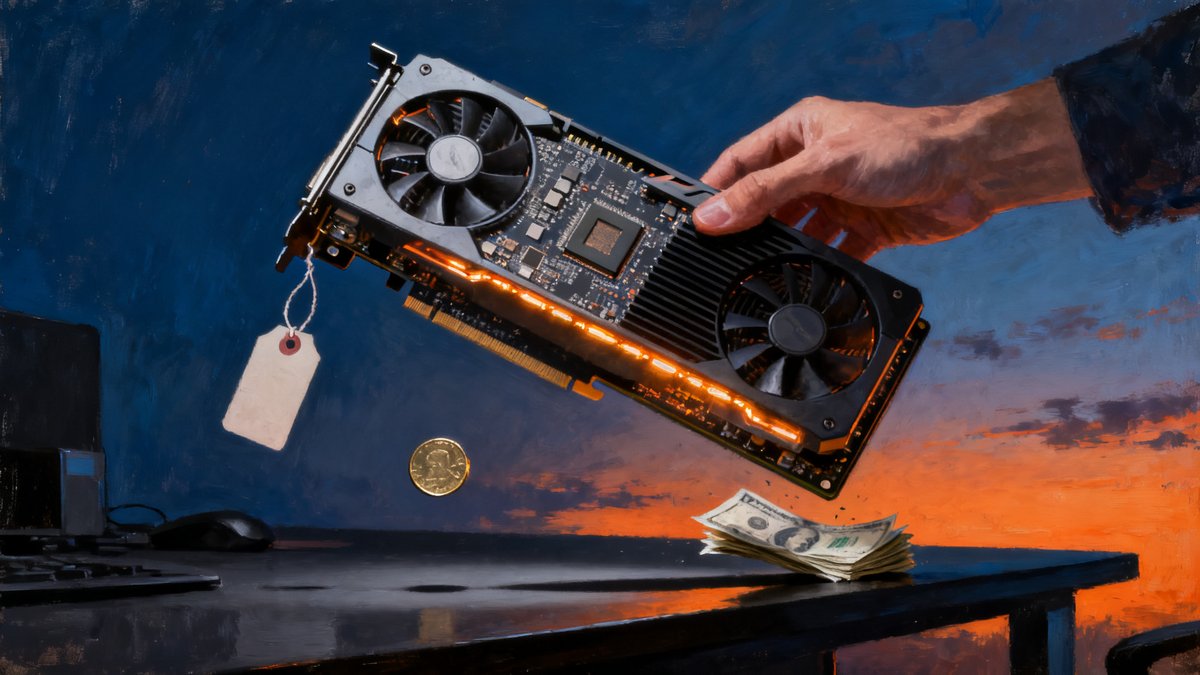
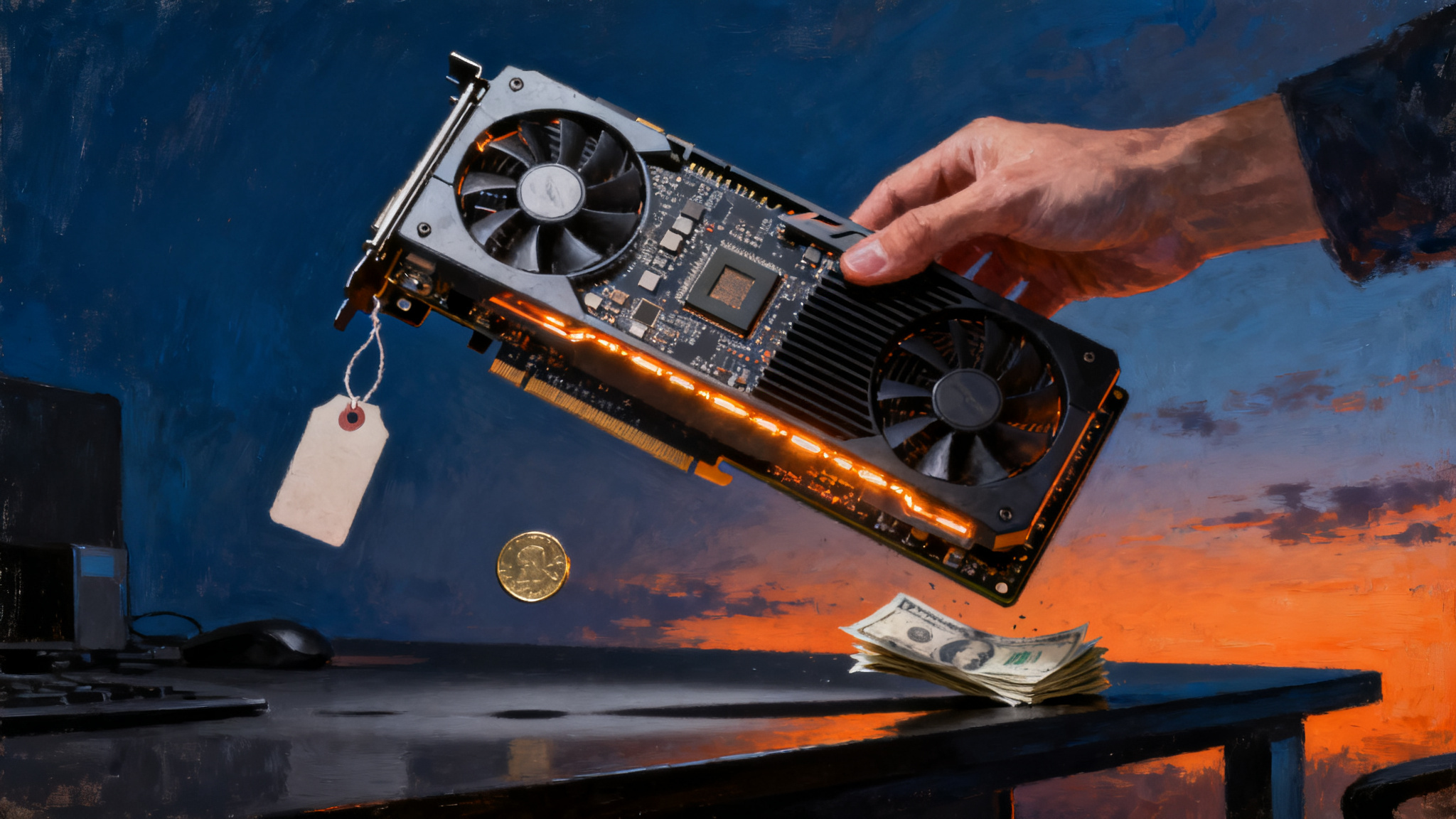
Nvidia has raised prices on consumer-facing RTX 5000-series cards by 20‑30% for the third time this year.
That’s not a small bump. And it isn’t limited to the GPU silicon. The increase applies to the full bundle, including GDDR memory.
For a solo developer or a small studio, this lands in the least fun place: hardware spend goes up, cash-flow gets tighter. And AI plans need another look.
I’ve felt that pinch in my own contracts. Cost per new GPU node moved from a few hundred dollars to well over a thousand. That changes the question from “Which card is fastest?” to “Does this project actually need the newest RTX-50 “Blackwell” chips?”
Sometimes the answer is yes.
Often, it isn’t.
Why the RTX 5000-series price hike happened
This price surge doesn’t look like a random market shuffle. It appears to be part of a supply-chain reaction that began with Samsung raising DRAM prices by roughly 20% for the current quarter.
Nvidia’s supply-chain notices now cover the entire GPU bundle.
Those notices explicitly name the GDDR memory component. That matters because memory isn’t an optional add-on for these cards.
If the memory cost rises, the finished board feels it.
The awkward part is timing. GDDR6 and GDDR7 prices have climbed by several hundred percent within months. So even if a builder only cares about compute, the bill still includes the memory market’s mess.
Side note: this is why “the GPU got more expensive” is too tidy an explanation. It’s the board, the memory, the supply chain, and the decision to keep buying at the new price.
I don’t know how long this particular increase will stick. The supplied material doesn’t establish a forecast, and I’m not going to invent one.
But the immediate effect is clear enough: new RTX 5000-series capacity costs more than it did before.
That’s painful for teams buying one machine.
It gets worse when the plan involves several nodes.
What builders need to rethink
A higher node price changes project math before a single model runs.
A small team may have budgeted for a few hundred dollars per new GPU node and now face a bill well over a thousand. That gap can eat money meant for engineering, testing, or simply keeping the lights on.
The practical response isn’t automatically “buy the cheaper card.” There may not be a cheaper card that delivers the same result for a specific workload.
The better question is narrower:
What does this project require, exactly?
If the work depends on the latest RTX-50 “Blackwell” chips, the higher price may be unavoidable. If it doesn’t, postponing a purchase or using an existing node could make more sense. That isn’t a grand strategy.
It’s basic survival when hardware prices move faster than a contract can be revised.
I’ve started treating every new GPU request as a priority decision.
Not as the hardware is unimportant. Since expensive hardware can quietly turn a nice-to-have experiment into a project that no longer pays for itself.
That changes how compute gets sourced.
It may mean fewer new nodes, slower expansion, or tighter approval before a purchase.
It may also mean being honest with clients about what the newest card adds. “Latest” is not the same as “necessary.”
And, honestly, the spreadsheet usually knows before the team does.
RTX 5000-series price hike FAQ
How much did Nvidia raise prices?
The consumer-facing RTX 5000-series price increase is 20‑30%.
The original draft says this is the third time this year.
Does the increase affect only the GPU silicon?
No. The increase covers the entire GPU bundle, including GDDR memory.
What caused the price increase?
The supplied references connect the move to Samsung’s DRAM price increase of roughly 20% for the current quarter. Nvidia’s notices too name GDDR memory as part of the affected bundle.
Which memory types are mentioned?
The draft specifically mentions GDDR6 and GDDR7. Their prices reportedly climbed by several hundred percent within months.
What does this mean for small studios?
It can push the cost of a new GPU node from a few hundred dollars to well over a thousand. For a solo developer or small studio, that means more hardware spending and tighter cash-flow.
Should every project still buy RTX-50 “Blackwell” chips?
Not necessarily. Some projects may genuinely need the newest chips. Others may not. The right decision depends on the workload and the budget. The evidence supplied here doesn’t establish a universal buying recommendation.
Sources
The supplied draft cites,, and. Full source details weren’t included in the material provided for this rewrite.