Google DeepMind announced EmbeddingGemma 2 on October 6, 2026.
And it pushes open-source multimodal embedding models into genuinely practical territory: 740 million parameters, an Apache 2.0 license. And one unified 768-dimensional vector space covering text, code, images, video, and audio. The model is small enough for on-device inference and permissive enough to ship inside a commercial product. And that combination is what actually changes the economics of multimodal search. Weights are already downloadable from Hugging Face and Kaggle.
The short version: one model embeds everything, every vector lives in the same space.
And Google’s docs say the whole thing runs locally and offline on consumer GPUs or CPUs.
If you are currently paying an API to make your own files searchable, that sentence deserves a slow read.
What EmbeddingGemma 2 Is, In Plain Terms
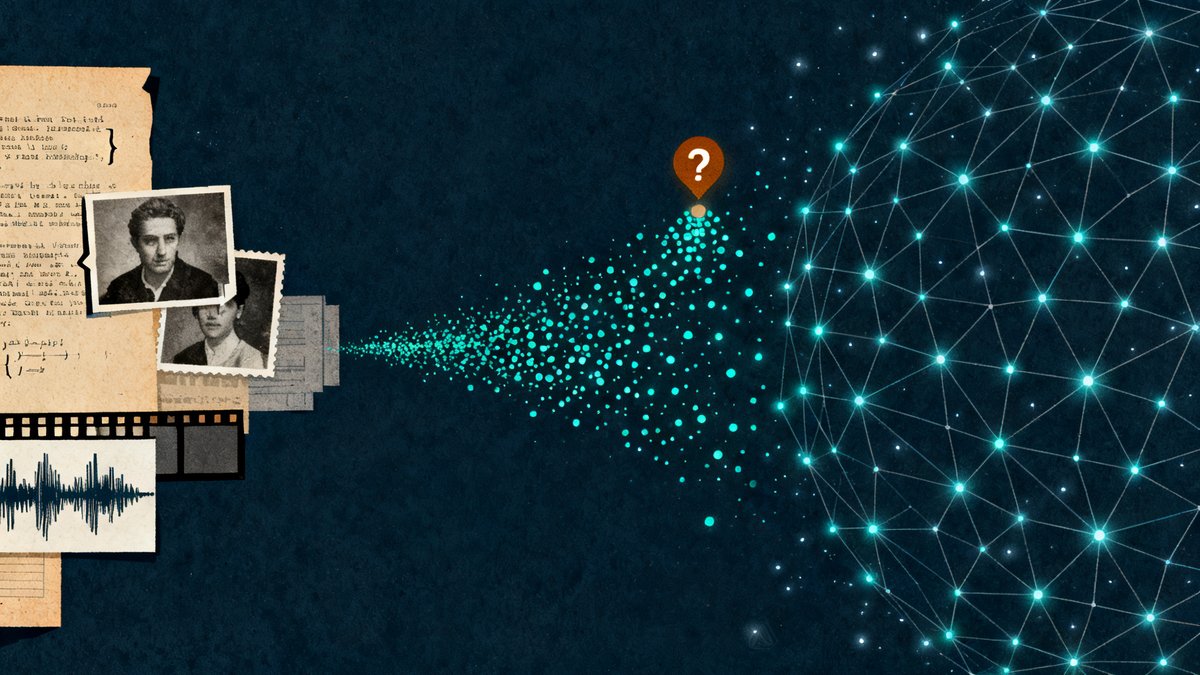
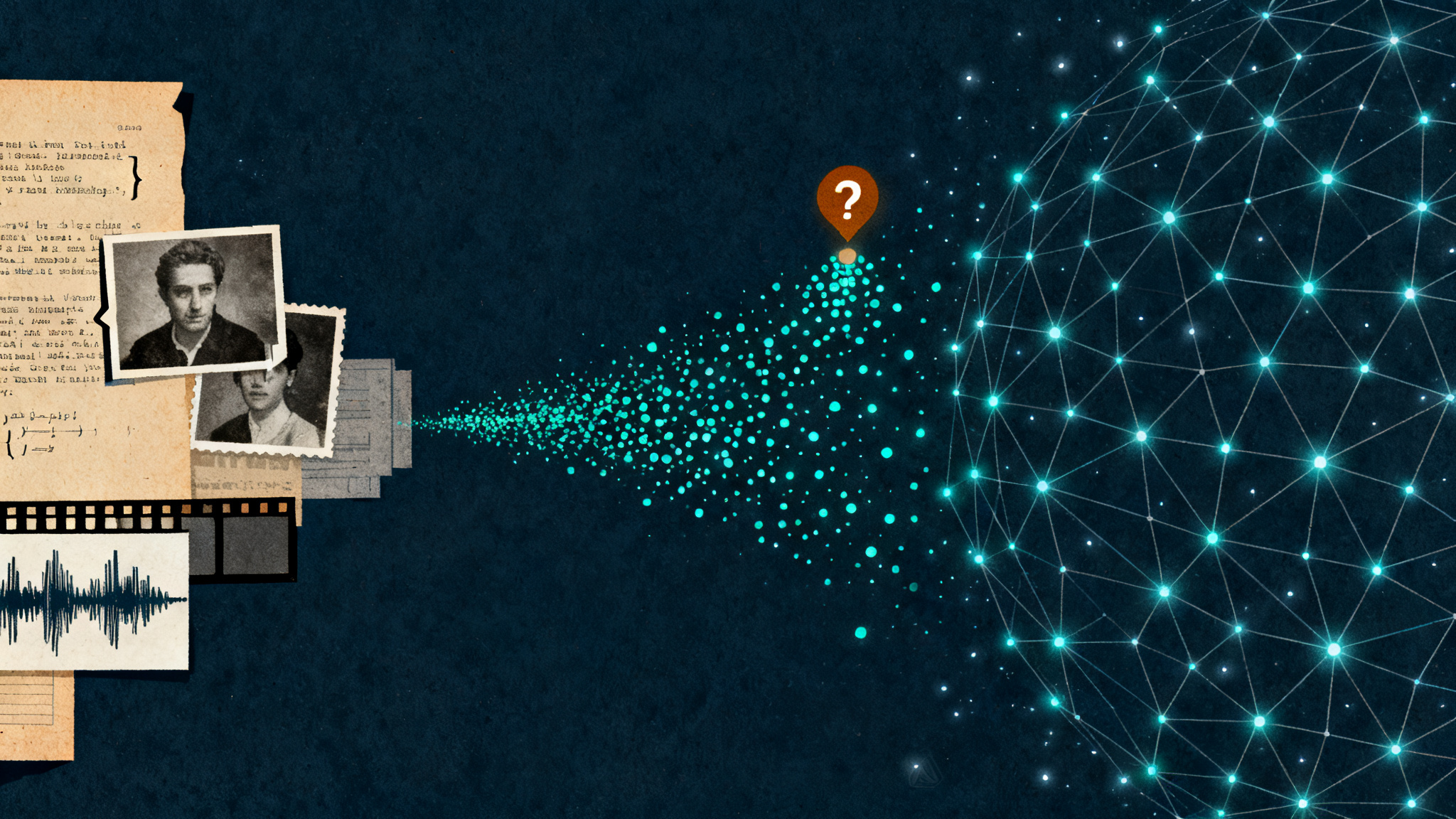
EmbeddingGemma 2 is built on the Gemma 4 architecture and outputs 768-dimensional vectors. Every input, whether it is a paragraph, a source file, a screenshot, a video, or a voice recording, lands as a point in that same space. And the Hugging Face model card notes that combinations of those inputs are supported too. Similarity between a text query and an audio clip becomes plain distance in one index, not a translation project between two incompatible ones.
The workflows Google lists are the ones you would expect: multimodal retrieval-augmented generation, semantic search. And zero-shot classification, all runnable offline. The concrete examples in the announcement are cross-modal in ways that used to demand custom plumbing, like pulling a specific video clip from a voice memo or searching hours of audio recordings with a plain text query. Day-one deployment support is unusually broad: MediaPipe and LiteRT for on-device apps, plus transformers, sentence-transformers, MLX, vLLM, llama.cpp, SGLang, Ollama. And LM Studio on the serving side.
One Vector Space Deletes a Layer of Glue
The quiet win here is architectural, and it is the reason I stopped skimming when I read the announcement. The standard multimodal search stack has been a pile of specialists: one embedder for text, another for images, something bolted on for audio. And reconciliation code holding it all together. Every seam in that stack is a place where relevance quietly dies. Because scores from different embedding spaces are not actually comparable.
A single unified space removes the bridging layer entirely.
Your text query ranks directly against code, images, video.
And audio in one index, zero-shot, with no per-modality glue to maintain. Google is not alone in betting this direction either: the open-source OmniEmbed checkpoint (`Tevatron/OmniEmbed-v0.1-multivent` on Hugging Face, from an arXiv paper) also generates unified embeddings across text, images, audio, and video. Worth noting that OmniEmbed’s described scope does not call out code the way EmbeddingGemma 2 explicitly does, which matters if your corpus mixes source files with media.
Two independent efforts converging on “one embedder for everything” tells you where retrieval is heading.
Read the Benchmark Claims With Both Eyes Open
Now the skeptical part, as vendor benchmarks deserve it.
Google’s claim is that EmbeddingGemma 2 achieves leading scores among sub-1B multimodal embedders on benchmarks like MTEB (Massive Text Embedding Benchmark) Code and MAEB (Massive Audio Embedding Benchmark), while matching or outperforming “many larger models” across text, vision, and audio tasks. That is Google grading Google, and “many larger models” is doing soft work in that sentence.
None of that means the claim is false.
It means the only benchmark that pays your bills is the one run on your own corpus, since aggregate scores on public datasets say nothing about whether the model finds the right invoice in your scanner dump or the right meeting clip in your recordings. The absence of independent head-to-head numbers at launch is normal for a release like this. So treat the positioning as directional and verify locally before you commit storage and index rebuilds to it.
Why Small Operators Should Actually Care
Three properties stack up into a real shift if you build automation for yourself or a small business. First, Apache 2.0 is about as permissive as licenses get. So commercial use is on the table without a negotiation. Second, Google’s developer blog pitches this as privacy-first, on-device retrieval, which means your vectors and your raw media can stay on the machine that owns them. That matters when the searchable material is customer files, recorded calls, or anything you would rather not explain in a data-processing agreement.
Third, the running cost curve bends toward zero. Local inference on consumer hardware removes the per-call meter that hosted embedding APIs put on every search and every re-index. And re-embedding a growing corpus stops being a decision with a price tag attached. The breadth of serving support matters here too: if you already run Ollama, LM Studio, vLLM, or llama.cpp, adding this model is an afternoon, not a migration.
And if you later want a managed route, the announcement says Gemini Enterprise Agent Platform Model Garden availability is coming.
What I’d Do Next
Start small and judge it on your data, not Google’s.
Download the weights from Hugging Face or Kaggle, load them through Ollama or LM Studio. And embed a mixed folder you actually care about, say documents plus screenshots plus voice memos. Then run twenty real queries and check whether the right item comes back near the top before you trust it with anything bigger.
If recall holds up, you just replaced a metered dependency and a data-leak surface with a 740M-parameter local model under a license that lets you ship it. If it does not, you learned that for free on your own files instead of discovering it after a migration. Either outcome beats taking the benchmark page at face value, and the official docs are the place to start.