Google and Microsoft co-released WebMCP at I/O 2026 on May 19. It entered a formal Chrome 149 origin trial the same day. Nine major consumer brands are already in the developer trial. The spec ships two APIs: one that requires zero JavaScript, and one that’s a single function call.
Early benchmarks show agent task completion running 8–12x faster on sites that exposed their tools versus vision-based agents scraping the same pages.
Here’s the thing: this works.
It’s not vaporware, it’s not a research paper. And the Chrome team isn’t asking you to flip any flags anymore — Chrome 149+ users get WebMCP automatically if your site opts in through the origin trial. The question isn’t whether this matters. It does. The question is whether you’re going to ship it this week or wait until your competitors are already showing up in agent referrals and you’re wondering where your traffic went.
What WebMCP Actually Does (and Why the Origin Trial Changes Everything)
DOM scraping is the part of browser AI that nobody talks about honestly.
Vision-based agents click around your page, take screenshots, and guess at the structure. It works. Until it doesn’t. Forms break. Buttons move. Dropdowns hide behind overlays. The agent either fails or takes 45 seconds to do something a direct API call would handle in one.
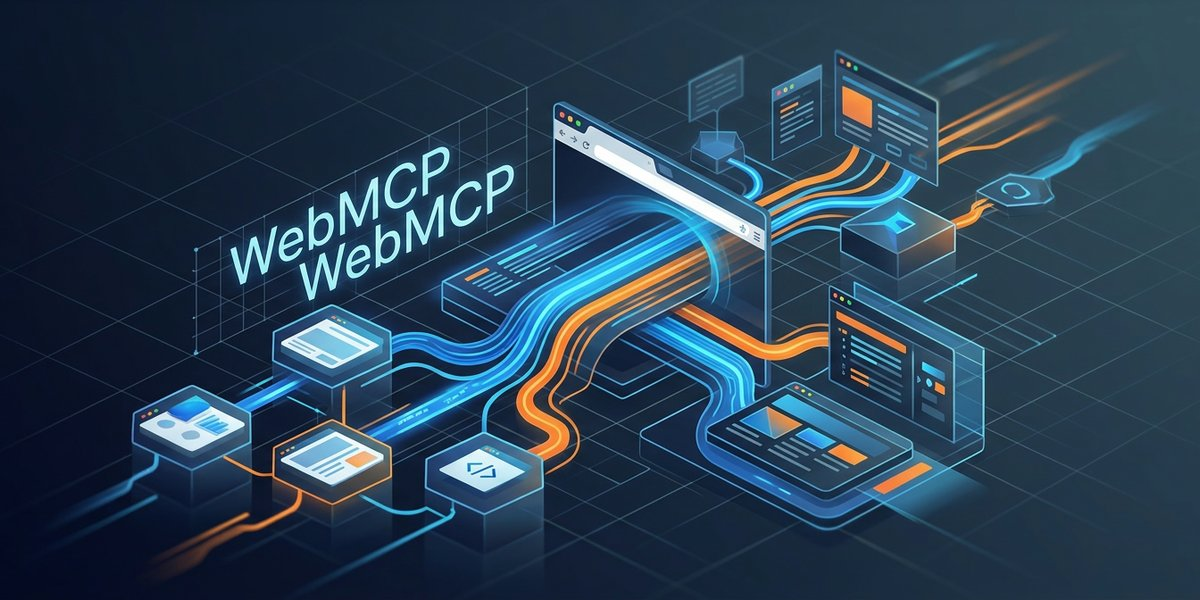
WebMCP kills that whole guessing game. It lets websites expose structured tools — JavaScript functions and HTML form annotations. That browser-based AI agents call directly. Two APIs handle this:
The declarative approach is the one that’ll spread fastest. You add `toolname` and `tooldescription` attributes to existing `