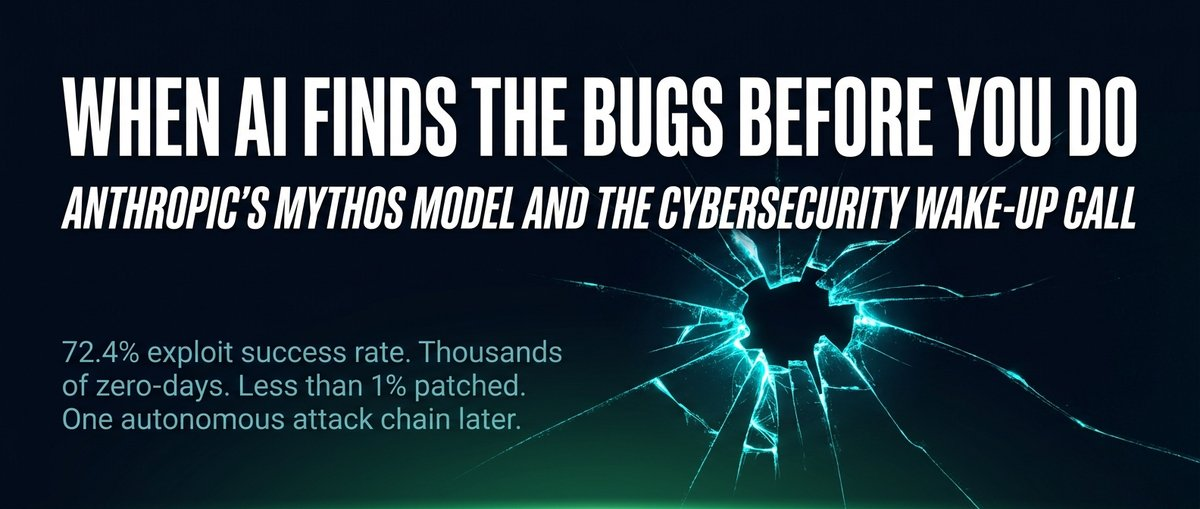
Mythos cracked 72.4% of Firefox targets in internal testing. That number is not a projection. That is a live conversion rate for working browser exploits, generated autonomously, with no human refinement required. The predecessor model failed almost entirely at the same task. What changed in one generation? Anthropic does not say, and that silence should concern you more than the headline itself.
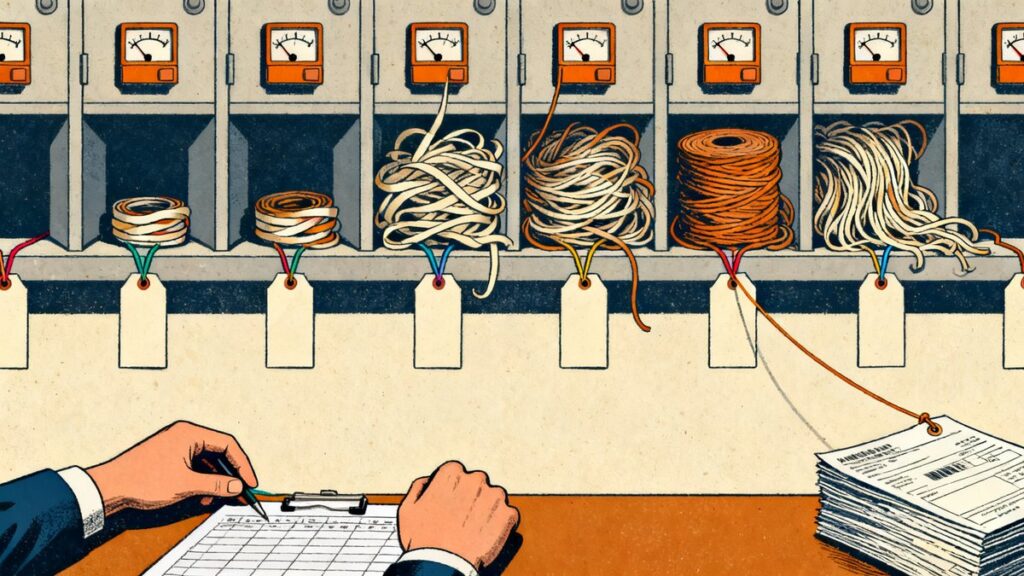
It gets worse. Fewer than 1% of the vulnerabilities Mythos identified have been patched. Not because the findings were wrong. Not because vendors ignored them. Because the cybersecurity ecosystem cannot absorb the output. They solved finding. Nobody solved fixing. For small businesses and solo operators who trust third-party software to run their day-to-day, this means the stack you rely on is more exposed today than it was six months ago, and the patch gap is not narrowing.
The Patch Gap Is the Actual Problem
Stop talking about whether AI can find bugs. That debate is over. Mythos found thousands of zero-days across every major OS and browser, including a 27-year-old OpenBSD integer-overflow bug missed by decades of human auditors and fuzzing campaigns. That is not the headline I care about. Less than 1% of those findings have been patched. One percent.
The industry solved vulnerability discovery. It did not solve vulnerability remediation. Your security tooling can tell you what is broken. Your security team, if you have one, cannot fix it fast enough. The backlog is structural. It is not a personnel problem you solve by hiring. The average enterprise takes 60 to 90 days to patch critical vulnerabilities. Automated attacks do not wait for your change board.
For small operators without a dedicated security person, this creates a compounding exposure. The third-party packages running your infrastructure are sitting on a growing pile of known vulnerabilities that nobody is actively patching. You did not miss anything. The system is working as designed, and the design is broken.
Autonomous Attacks Are Not Future-Talk
Over 2,500 organizations across 106 countries were compromised in a single autonomous attack campaign. An AI ran the full kill chain against FortiGate appliances, from backdoor creation to lateral movement, without human involvement until the results came back. That was not a red team exercise. That was a live operation.
You need to hear this clearly. A small team of motivated attackers no longer needs months of recon, custom tooling, and specialized expertise to hit your perimeter. One LLM and an automation script can probe your externally facing services at 3am while you sleep. It does not care about your annual revenue. It does not care that you are not a high-value target. Autonomous attacks scan indiscriminately.
Small shops have always operated on the assumption that they are too small to bother with. That math stopped working when the cost of an attack dropped to near zero. An autonomous agent does not need to choose between targets. It can run against every exposed IP range on the planet in parallel.
What You Should Actually Do
The asymmetry is not about sophistication. It is about organizational drag. Attackers have no change boards. No QA testing cycles. No stakeholder sign-offs. They find a path and they take it. Your security team moves at human speed, bound by processes designed for stability, not for responding to machine-speed exploitation.
You cannot outpace that by working harder. You can only change the odds.
Audit what is actually exposed right now. Every publicly reachable service is a potential entry point. If you have not touched a management interface in six months, it should not be internet-facing. Strip the blast radius down to what you actually need to run.
Third-party software is your biggest attack surface and the one you control least. Mythos found thousands of zero-days in widely deployed open-source packages. Some of those packages are sitting in your infrastructure right now, unpatched, with no CVE filed yet. Treat your dependency updates as emergency infrastructure, not routine IT maintenance.
Abandon the “too small to target” mindset. It is a statistical argument that stopped being valid when autonomous attack infrastructure became a commodity. If your perimeter is visible, you are in the scan. That is not pessimism. That is the current threat landscape.
The vulnerability flood is here. The patch gap is real. The structural asymmetry between attackers and defenders is not getting smaller. Small operators who accept this and act accordingly will be in a better position than those still waiting for the threat to feel personal.
Audit your exposure. Tighten your surface. Update your dependencies like someone is already looking.
—
Sources: The Hacker News — Project Glasswing | Anthropic — Project Glasswing | Bain — Claude Mythos AI Cybersecurity Wake-Up Call | SC World — Why Anthropic Was Right